What personal AI assistants mean for lenders and debt collectors
Prodigal Research · First published Oct. 19, 2026 · Written for credit risk, servicing and collections leaders
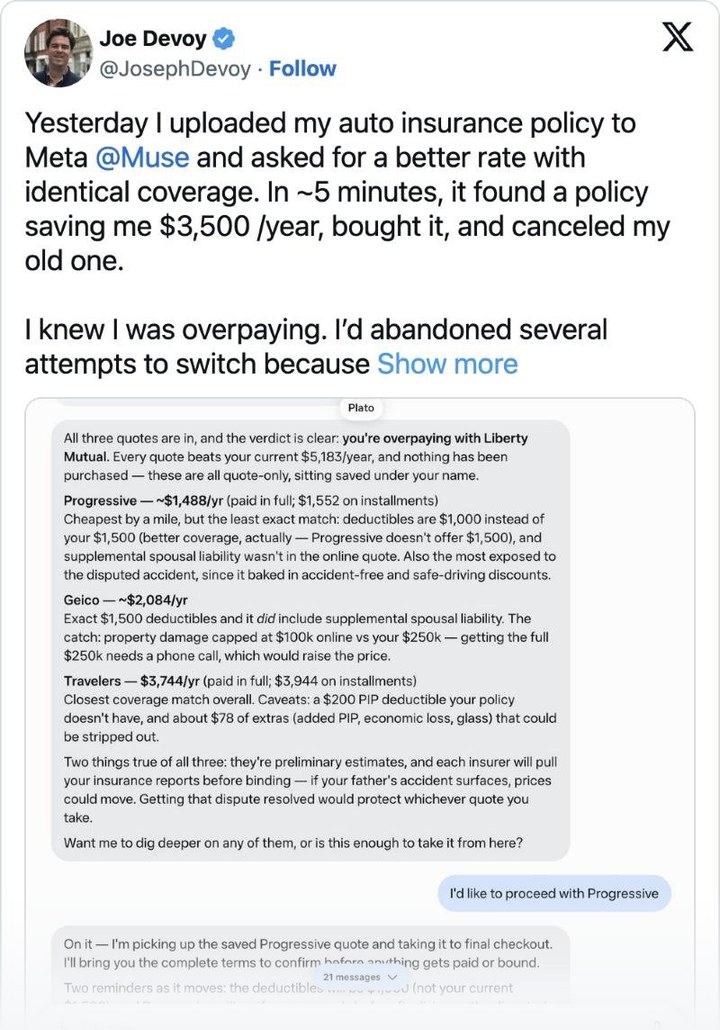
Joe Devoy didn't shop for car insurance this fall. His AI agent did. Meta's new Muse assistant found the startup founder a policy that cost $3,500 a year less, bought it and cancelled his old one in about five minutes, he posted on X on Sept. 10.
Joe Devoy on X, Sept. 10. The attached transcript shows Muse comparing three quotes before buying the cheapest.
Many errands like this end at a bank, a lender, a servicer or a debt collector. Within five weeks of Muse's debut, JPMorgan Chase said it blocks outside agents that try to get into accounts with customers' banking credentials, and PNC's chief executive said agents wouldn't transact in customer accounts "on my watch."
For years, lenders asked how to use AI to reach their customers. Now they have to decide what to do when their customers' AI reaches them.
The short version
Personal AI assistants such as Meta's Muse and Instinct now call, chat with and negotiate with businesses on a consumer's behalf. Muse reached 5 million downloads in its first three weeks.
Use is early but demand is high: at most about 6% of US consumers say an AI agent has contacted a company for them, while 66% would like one that does.
The errands people hand over first mostly involve money: cancelling subscriptions, negotiating bills, auditing medical bills and switching insurance.
Banks are drawing lines. JPMorgan Chase and PNC have ruled out outside agents transacting in customer accounts, while Wells Fargo, Visa and American Express describe access on terms.
Four questions remain open for lenders, servicers and collectors: identity, liability, consent and pricing.
Four assistants named in this report show the range. Two are full personal agents, one is a phone feature that stands between a caller and a consumer, and one is a general-purpose assistant that people have pointed at their bills.
The assistants doing the errands
Assistant
What it does
Notable detail
Muse Meta
Personal agent that can lower bills and make payments. Connects to bank accounts through Plaid.
Launched Sept. 8, 2026. Began calling US businesses Sept. 16.TechCrunch, Fortune
Instinct
Text-and-call concierge. Places calls to sort out cable-bill problems.
Raised $1 billion at a $10 billion valuation in September 2026.Fortune, TechCrunch
iOS 26 Apple
Screens calls from unknown numbers and waits on hold in call-center queues for the owner.
Asks for the caller's name and reason before the phone rings.TechCrunch
Claude Anthropic
General-purpose AI assistant.
Helped one family contest a $195,628 hospital bill, which they settled for about $33,000.TechSpot
How many consumers use AI agents to deal with companies?
Still few, but most would like to. About one in 16 Americans, at most, say an AI agent has contacted a company for them. Two in three would like one. And consumers trust the institutions they bank with more than they trust the AI.
Few have tried it. Most want it.
An AI agent has contacted a company for me6%
I would like an agent that does66%
Early users who used one again76%
US consumers. Lorikeet survey, n=1,966, Sept. 30 to Oct. 8, 2026. First figure is an upper bound.
They trust institutions more than the AI.
Trust generative AI to make payments for them23%
Would trust Visa to handle agent payments61%
More comfortable if the AI connects to an institution they trust75%
The chores come first. Posts on X, Reddit, Threads and TikTok over the past year show a consistent pattern: people hand agents the errands they put off, and most of those involve money.
What people ask their agents to do, ranked by how often each appears
01Find and cancel forgotten subscriptions
02Negotiate phone, cable and internet bills
03Audit medical bills and appeal denials
04Shop for and switch insurance
05Claim refunds and credits
06Build a debt payoff plan
07Choose a credit card or loan
08Wait on hold and work the phone menu
Prodigal's read of posts and press coverage, Sept. 2025 to Oct. 2026. Bars show relative frequency, not a survey result.
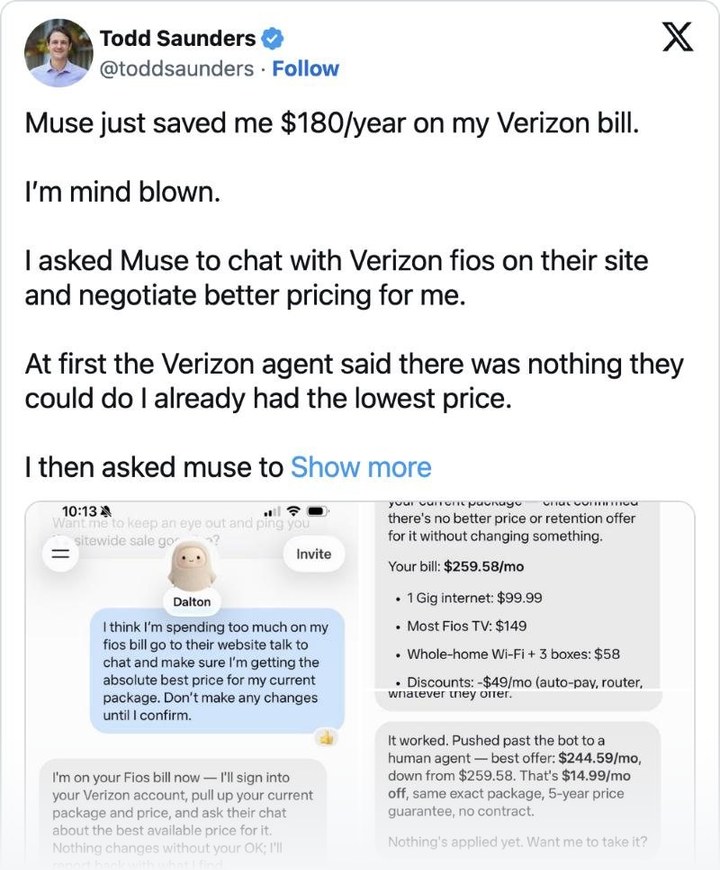
Todd Saunders on X, Sept. 25. Muse opened a chat with Verizon, "pushed past the bot to a human agent" and got his Fios bill cut by $14.99 a month.
Where do consumer AI agents meet lenders, servicers and collectors?
In three places: the application and the credit file, the call and the bill, and the revenue that depends on customers not paying attention. Each lands on a different team.
Tier 1: The application and the file (for credit risk)
Figure
What it shows
59%
of US adults have used an AI tool to help choose a financial product. 53% of them opened the exact product it suggested. Credit cards were the most researched.BestMoney survey, 1,000 US adults, Sept. 2026
54%
of consumers in 13 markets are comfortable letting an agent apply for credit for them. In a live demo at Sierra's summit, Muse obtained a mortgage pre-approval from Rocket's own agent after a Rocket executive, acting as the borrower, signed in to share credit and income details.Experian; Sierra
70,000+
credit-report errors disputed with AI-written letters during a two-month pilot at Kikoff, a credit-building app.Kikoff via Business Wire, Aug. 2025
More applications and disputes will arrive assembled by software, and the record will need to show who authorized them.
Tier 2: The call and the bill (for servicing and collections)
Figure
What it shows
iOS 26
answers calls from unknown numbers and asks for the caller's name and reason before the phone rings. Hold Assist waits in call-center queues for the owner.TechCrunch
4+
kinds of consumer AI that collections compliance officers report meeting, including call screeners, dispute-letter generators, settlement bots and tools that quietly coach a consumer during a live call. Some creditors refuse to deal with an agent at all.accountsrecovery.net webinar, July 2026
$195,628
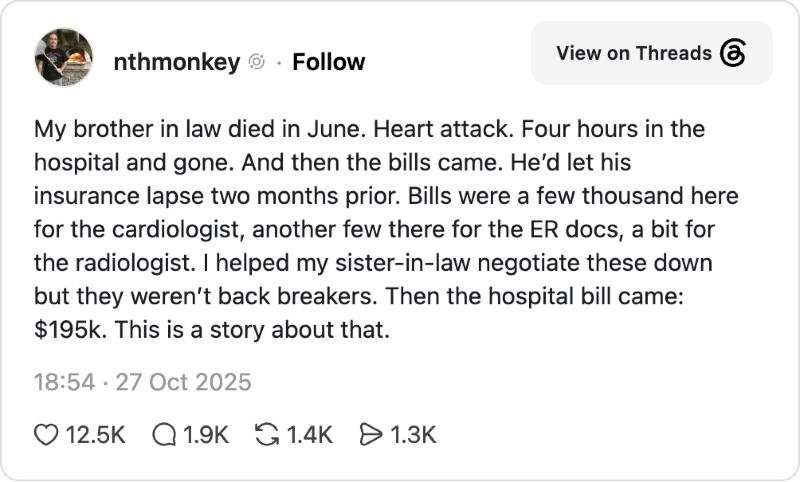
hospital bill a family audited with Claude, finding duplicate and miscoded charges. They settled for about $33,000. The American Hospital Association has alerted members that patients increasingly use AI to dispute bills.TechSpot; The New York Times via The Star
@nthmonkey on Threads, Oct. 27, 2025. The thread that described the Claude audit.
Policies written for a borrower on the phone now have to cover an assistant screening for one, software negotiating for one, and a person coached by software in real time.
Tier 3: The cost of inertia (for the institution)
Figure
What it shows
No. 1
request in the posts we reviewed: find and cancel something. Instinct founder Noah Shinn has said users have cancelled hundreds of dollars' worth of subscriptions through his agent.Fortune
$250
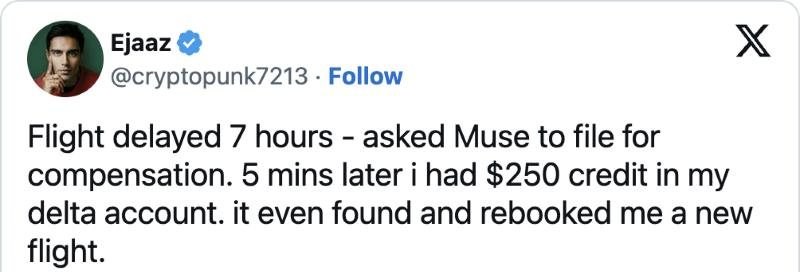
Delta credit Muse won for one user after a seven-hour delay. It filed the claim and rebooked the flight.Tom's Guide
Sept. 22
Bank and brokerage shares fell on concern that agents would steer customers' cash to higher-yielding products. JPMorgan had its worst day since February; Schwab fell 5%.Dow Jones via Tiger Brokers
@cryptopunk7213 on X, Sept. 21. Excerpt.
Affirm
AI "will find the 'gotcha.'"
Max Levchin, CEO, Affirm, on business models that rely on inattentive customers (Reuters)
What happens when an AI agent's errand goes wrong?
Not every assignment ends in savings. The early record includes bans, overspending, privacy slips and undisclosed humans behind the bot.
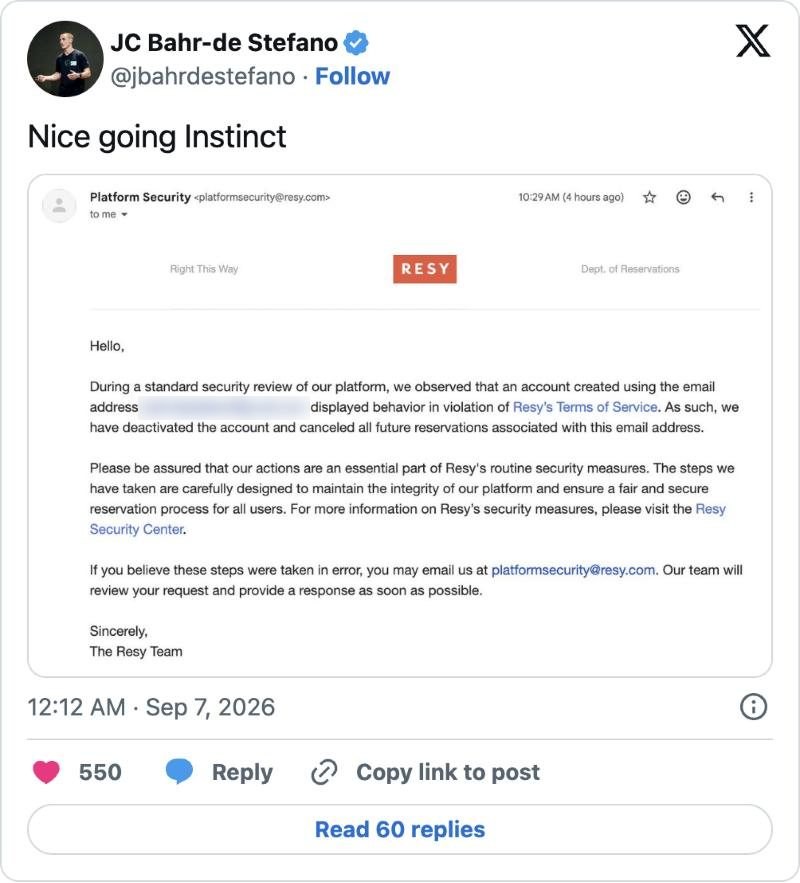
JC Bahr-de Stefano on X, Sept. 7. Resy deactivated the account his Instinct agent had been using to hunt for a table. An email address in the screenshot is blurred.
Banned by Resy
An Instinct agent pinged Resy hundreds of times an hour for a steakhouse table. Its owner, JC Bahr-de Stefano, called the ban a fair response.
Muse took a lowball offer for a YouTuber's keyboard, gave the buyer his home address and replied "Yep I'm here!" when the buyer arrived. He was not there.
When some businesses kept hanging up on Muse, Meta tested human contractors placing its calls without proper disclosure. A Meta vice president called that a mistake.
JPMorgan and PNC rule out outside agents transacting in customer accounts.
JPMorgan Chase
"You don't want rogue agents."
Jamie Dimon, chairman and CEO, JPMorgan Chase, on the bank's third-quarter earnings call, Oct. 13, 2026
"We're not going to allow just any outside agent to come inside the company, because that's just too risky," Mr. Dimon said. A spokesperson said the bank supports "secure, customer-authorized data sharing through open banking providers." (Fortune)
Guarding the door, or opening it carefully
Bank and payments chief executives split into two camps: those putting control first, and those offering access on terms.
Guarding the doorControl first
PNC
"Not going to happen on my watch that something can come in here and transact on your behalf without you knowing it."
What do lenders, servicers and collectors still have to settle?
The agents are arriving before the rules. Four questions keep coming up in earnings calls, speeches and compliance webinars: identity, liability, consent and pricing.
Identity: who is acting for the customer?
Lenders know how to verify a borrower. Few can yet verify that a piece of software speaks for one, or within what limits. Networks and bureaus have built agent registries, and Sierra published a protocol for agents to identify themselves and request scoped permission.
Federal debt-collection rules limit whom a collector may discuss a debt with. Panelists at a July industry webinar advised collectors to confirm the consumer's authorization by keypad or multifactor check, get it in writing, and end the call if the agent has no authority to pay.
Pricing: which revenue depends on forgetting?
Agents don't forget to cancel, and they compare rates without being asked. Fees, rate drift and idle balances that rely on customer inattention are likely to be tested first.
Six questions for the leadership team
Credit risk
1Can we tell when an application or dispute was assembled by an agent, and should that change how we read it?
2When an authorized agent exceeds its instructions, who carries the loss?
Servicing
3What happens today when an AI contacts us, by phone, chat or email? Is that a written policy or a habit?
4Which of our fees and rates depend on customers not noticing?
Collections
5What consent do we need before discussing a debt with a consumer's agent, and how do we record it?
6When an agent agrees to a settlement, what makes it binding?
Federal Reserve
"Who is on the hook if an agent makes the wrong purchase?"
Christopher Waller, Federal Reserve governor, at Sibos in Miami, Sept. 29, 2026 (speech)
For now, the answer depends on which institution the agent reaches.
The customer moved first. The industry is next.
Muse went from launch to five million downloads in three weeks. Within five weeks, the chief executives of JPMorgan Chase and PNC were answering analysts' questions about it. The agents will keep getting better at the chores customers hand them, and those chores run straight through lenders, servicers and debt collectors.
The institutions that decide early how to recognize an agent, what it may do and how to prove what it agreed to will set the terms for everyone else. The rules of engagement between customers and their lenders are being rewritten this quarter, not this decade.
The customer has an agent now. The institutions ready to meet it will set the pace.
Frequently asked questions
What are personal AI agents, and what do consumers use them for?
Personal AI agents are assistants that act for a consumer rather than only answer questions: they place calls, chat with customer service, file claims and complete purchases. Examples include Meta's Muse, Instinct's text-and-call concierge and the call screening built into iOS 26. Consumers use them mostly for money errands: cancelling forgotten subscriptions, negotiating phone, cable and internet bills, auditing medical bills and switching insurance.
Do banks let AI agents into customer accounts?
Not on open terms yet. JPMorgan Chase said it blocks outside agents that try to get into accounts with customers' banking credentials, while supporting customer-authorized data sharing through open banking providers. PNC's chief executive said agents will not transact on a customer's behalf without the customer knowing. Wells Fargo's chief executive expects agents to become part of how people interact, and Bank of America, Wells Fargo, Synchrony and Chime are design partners on Sierra's agent-identity protocol.
Can a debt collector discuss a debt with a consumer's AI agent?
Only with care. Federal debt-collection rules, including the Fair Debt Collection Practices Act and the CFPB's Regulation F, limit whom a collector may discuss a debt with, so the question is consent. Panelists at a July 2026 industry webinar advised collectors to confirm the consumer's authorization by keypad or multifactor check, get it in writing, and end the call if the agent has no authority to pay. Some creditors refuse to deal with an agent at all. This is not legal advice.
Who is liable when an AI agent makes a mistake for a consumer?
No rule yet settles who covers the loss when an authorized agent goes beyond its instructions. PNC's William Demchak said laws on liability shifting will have to be passed, and Federal Reserve Governor Christopher Waller asked in September 2026 who is on the hook if an agent makes the wrong purchase. For now, the answer depends on which institution the agent reaches.
How many consumers use AI agents to deal with companies?
Few so far, but most want to. In a Lorikeet survey of 1,966 US consumers (Sept. 30 to Oct. 8, 2026), at most 6% said an AI agent had contacted a company for them, 66% said they would like one that does, and 76% of early users used one again. Separately, 59% of US adults have used AI to help choose a financial product, according to BestMoney.
What are agent identity protocols?
They are standards that let an AI agent identify itself to a business and request permission for a defined scope of actions, so an institution can check that software really speaks for its customer and within what limits. Visa (Trusted Agent Protocol), Mastercard (Agent Pay) and Experian (Agent Trust) have built agent registries, and Sierra published its Personal Agent Protocol on Oct. 9, 2026, with Bank of America, Wells Fargo, Synchrony and Chime as design partners.
Sources and method
Compiled from public reporting, filings, transcripts and surveys published between Sept. 2025 and Oct. 19, 2026. Outcomes in social posts are self-reported. Quotes are verbatim from the linked source. The task ranking reflects how often each task appeared in the posts and coverage reviewed; it is not a statistical sample. This report is not legal advice.
Screenshots of public posts on X and Threads are by their authors, captured Oct. 19, 2026; an email address in the Resy screenshot is blurred. Company names are trademarks of their owners and are cited only to identify the organizations; no endorsement or relationship with Prodigal is implied.