Three takeaways from LangChain Interrupt
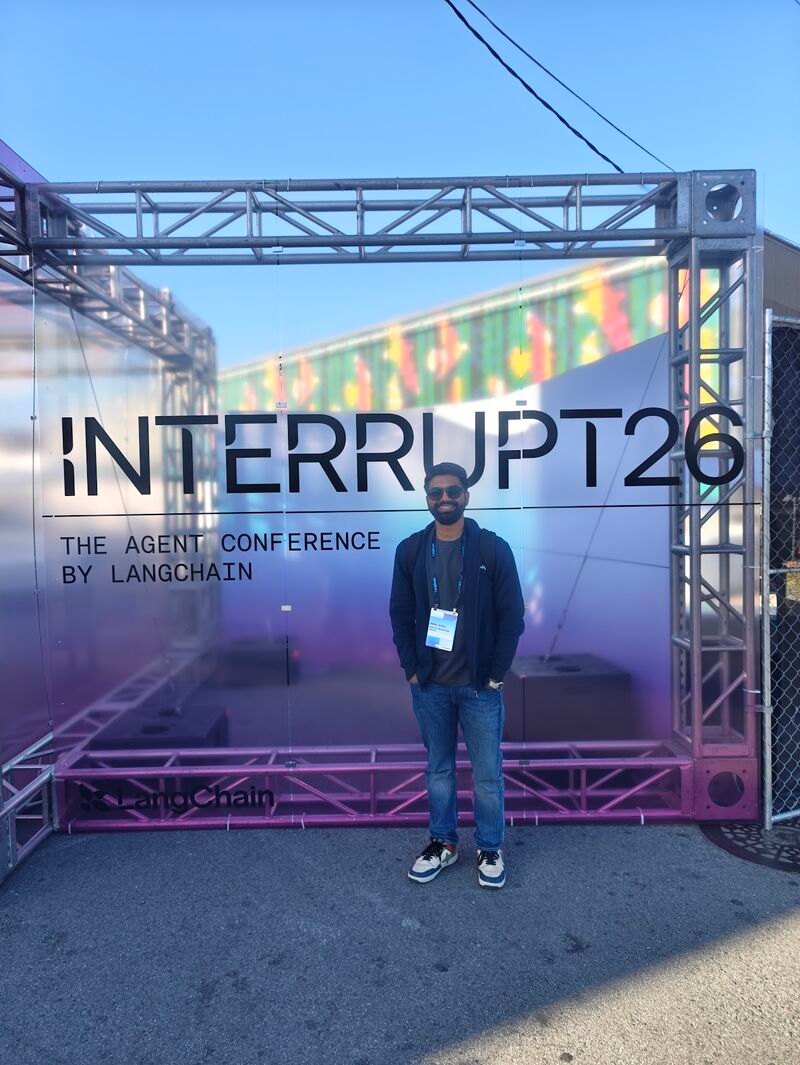
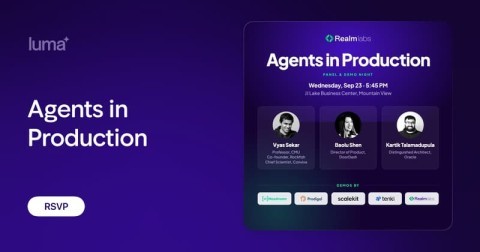
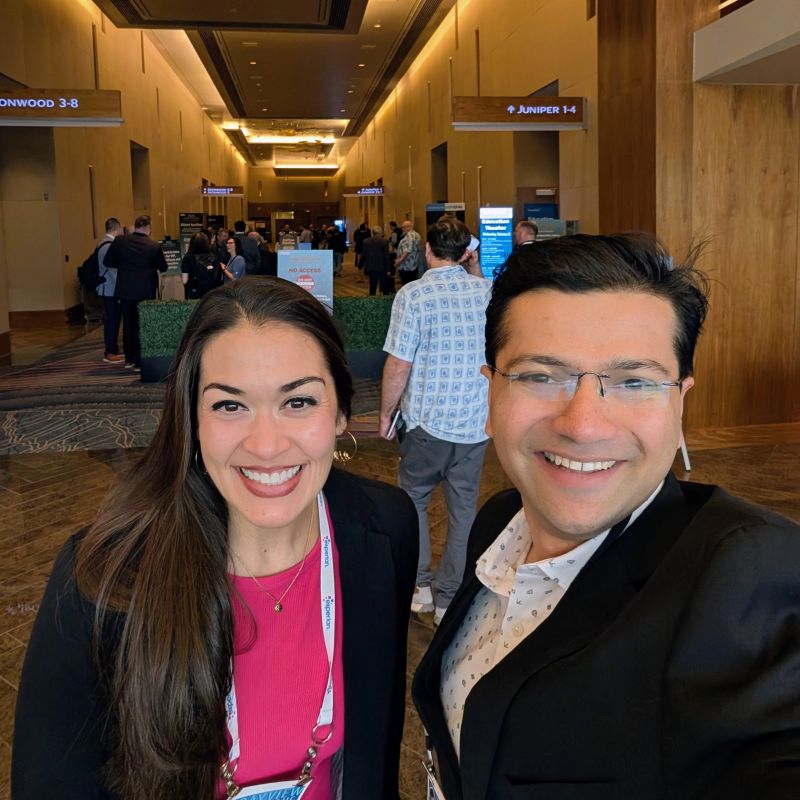
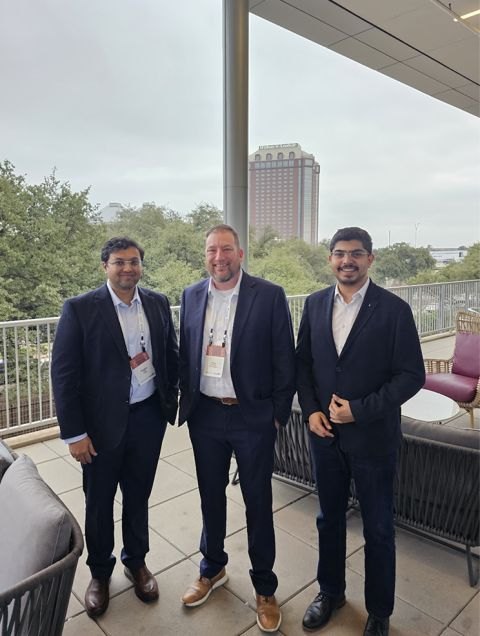
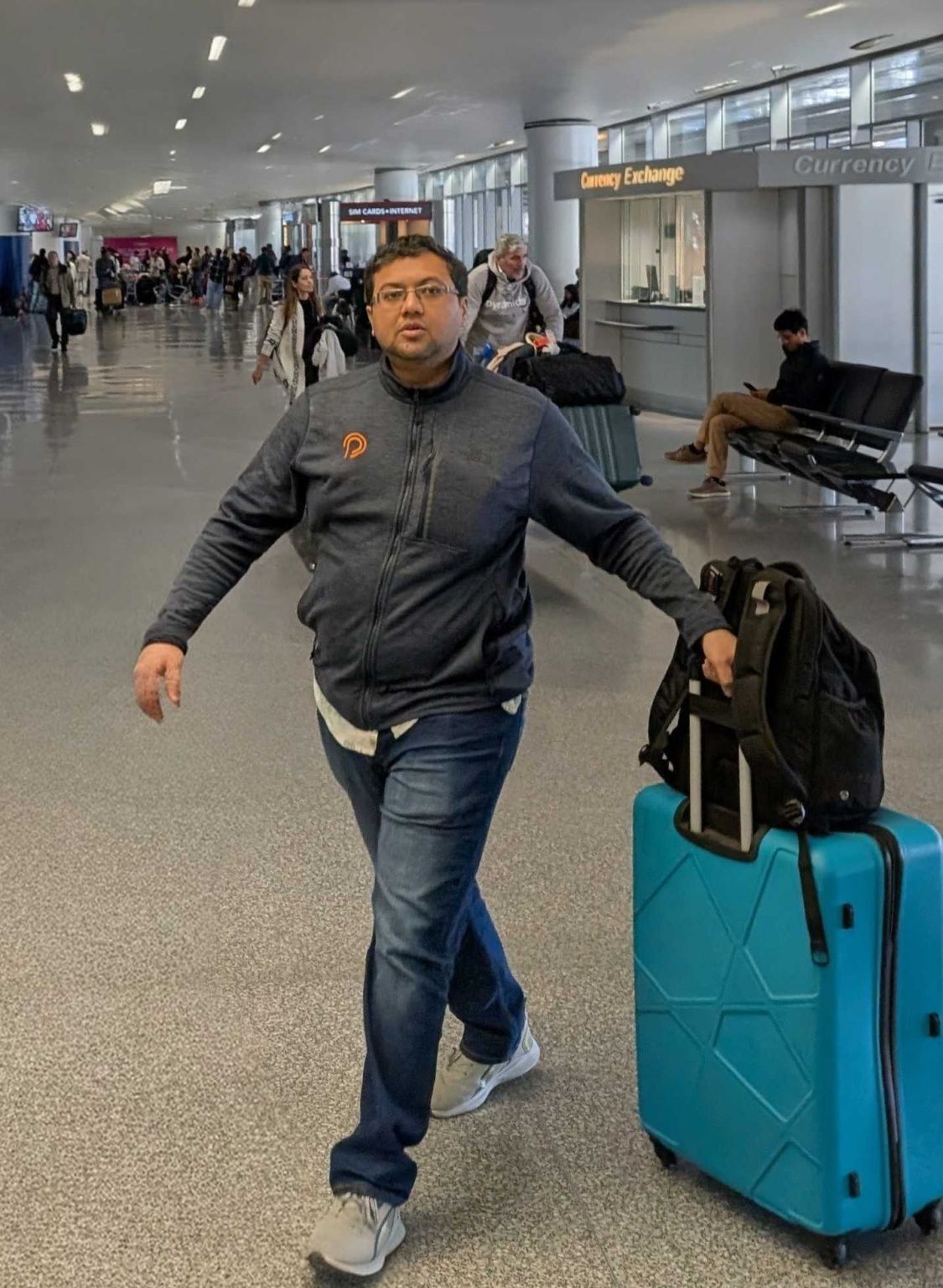
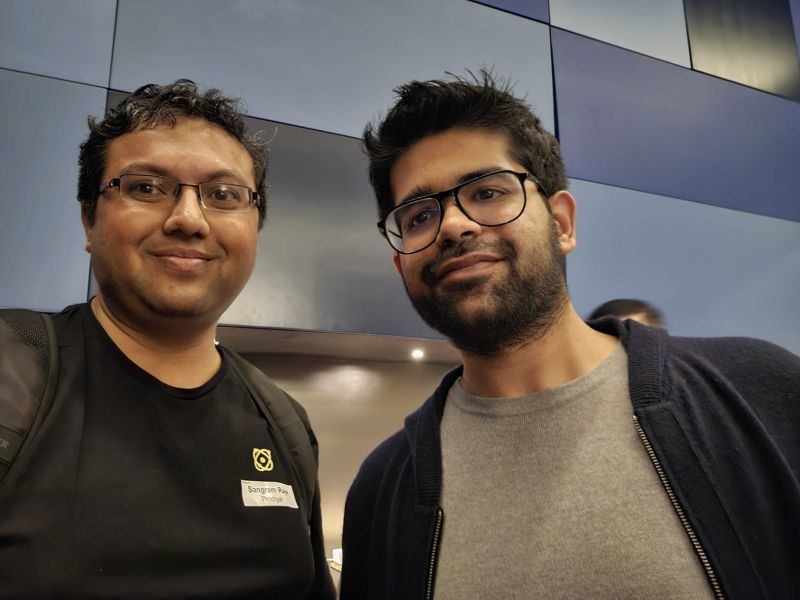
I attended LangChain Interrupt last month in SF, and here are my top takeaways:
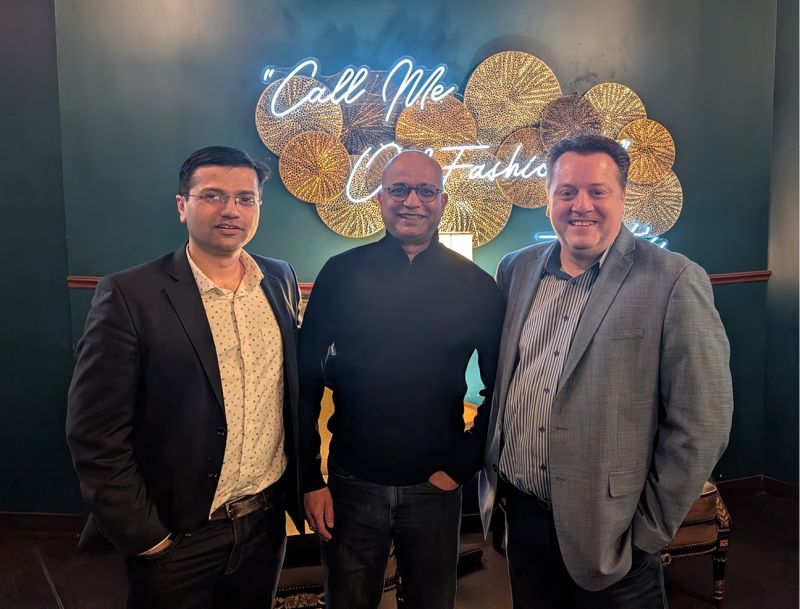
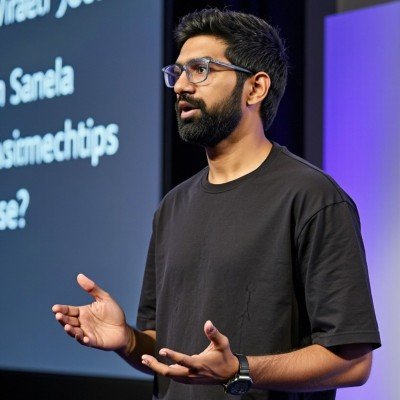
1. With LLM-assisted development lowering the bar to ship tooling and apps, defensibility for SaaS companies is a question worth thinking about. Chirantan "CJ" Desai's take on it stuck with me. Two moats that he called out:
Vertical specialization over horizontal generalists, and bundled products that compound when used together. So 1+1 > 2 if a customer buys multiple apps from you vs piecing them together from different providers. With PIE (our domain-specific intelligence layer that compounds across products), Prodigal happens to sit squarely in both.
2. Voice agents are still unsolved. Even in a room full of people building agents for a living, voice came up as the area no one feels confident about yet. Reliability, latency, and recovery from mid-call failures being some of the key challenges. We've shipped multiple voice agents at Prodigal doing fully compliant collections calls end-to-end and most people I spoke to were surprised that we are already in production. The space is wide open, but being one of the first teams figuring it out in the wild puts us further along than the conversation suggests.
3. More teams are fine-tuning open-weight models. The reasoning kept showing up the same way: no dependency on whether a frontier model gets deprecated, cost and infra in your own control, and frontier providers quietly pulling back on fine-tuning support even though the value is still real for narrow domains.
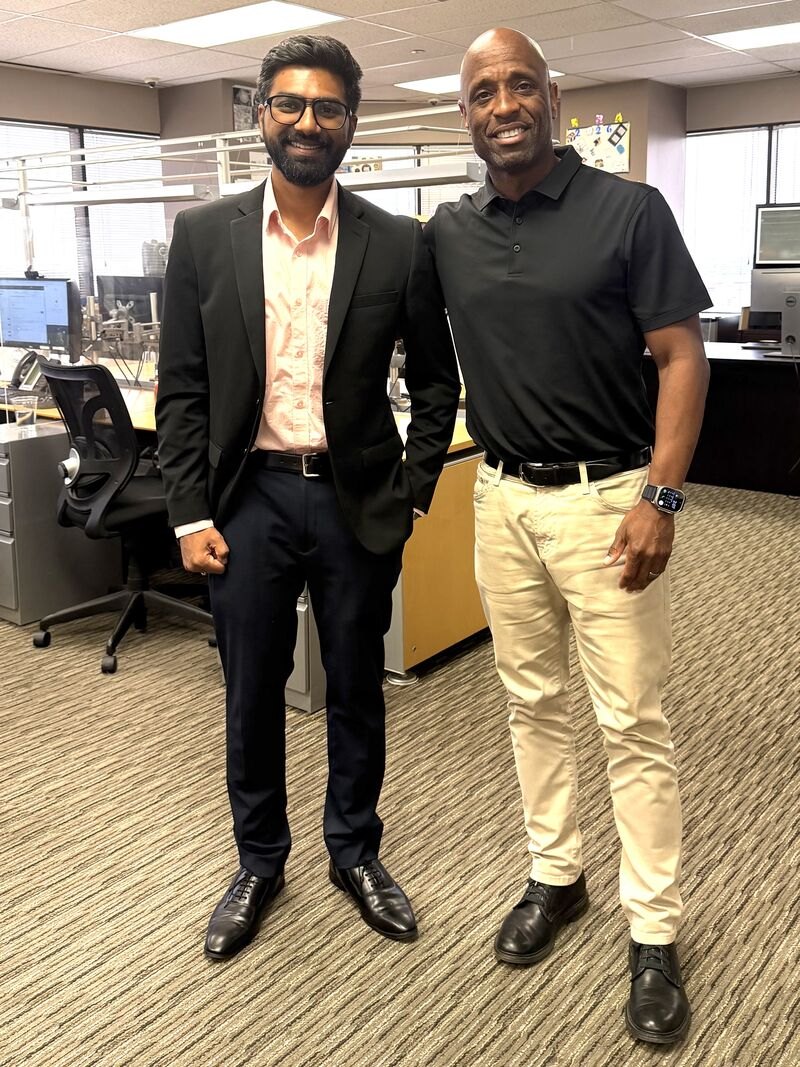
The real value was talking to, and hearing from people at the very front of the agents wave (Andrew Ng's and Aaron Levie's sessions were particularly insightful). Everyone is generous with what's working, and nobody pretends to have the full answer yet.
Going back to the team with a few experiments in mind. If you're shipping in this space, hit me up! Would love to chat!