Resources
Resources
No items found.
Rising compliance scrutiny and stagnant repayment rates are forcing a tighter link between AI systems and the courts.

How creditors use AI for early collections before escalating to legal action

Automation has transformed how creditors manage delinquent accounts. From predictive analytics to AI-powered agents, debt collection is now faster, more intelligent and more borrower-friendly.

Still, even the most advanced systems have limits. When accounts remain unpaid and compliance risks rise, the process shifts from automated engagement to legal enforcement.

This transition marks the critical point where technology hands off to human judgment. It’s where AI meets advocacy and where efficiency is balanced with due process.

How AI agents drive early-stage collections?

Modern debt collection begins long before a case reaches a law firm. AI agents like proAgent engage with borrowers in the early phases through intelligent, compliant and timely outreach across channels like text, email and voice.

They offer repayment options, answer questions and help borrowers, all without human intervention.

The result? Improved recovery rates and a better borrower experience. These agents operate with empathy and precision that reduces friction. Plus, it replaces the cold tone of traditional calls with personalized and data-driven communication.

AI agents also enhance transparency. proInsight by Prodigal provides real-time dashboards to monitor compliance and log every interaction. Lenders can quickly see what’s working, what’s not and whether communications align with consumer protection laws such as the Fair Debt Collection Practices Act (FDCPA).

How AI-driven analytics drive legal collections?

Today’s legal collection model doesn’t just abandon technology and hand-off the case at the courthouse door. Instead, it integrates it seamlessly.

AI agents can supply attorneys with deep consumer insights like engagement history, behavioral scoring and communication timelines. Legal teams can use this data to fine-tune their approach, prepare better strategies and streamline case preparation.

Based on these insights, legal teams can also guide next steps, whether to pursue garnishment, offer a final settlement, or escalate to asset seizure. Some firms even automate legal document generation and e-filing, reducing time and cost.

This hybrid model of AI agents for scale and attorneys for enforcement creates a more efficient and fair recovery ecosystem.

How legal action advances when digital outreach is exhausted?

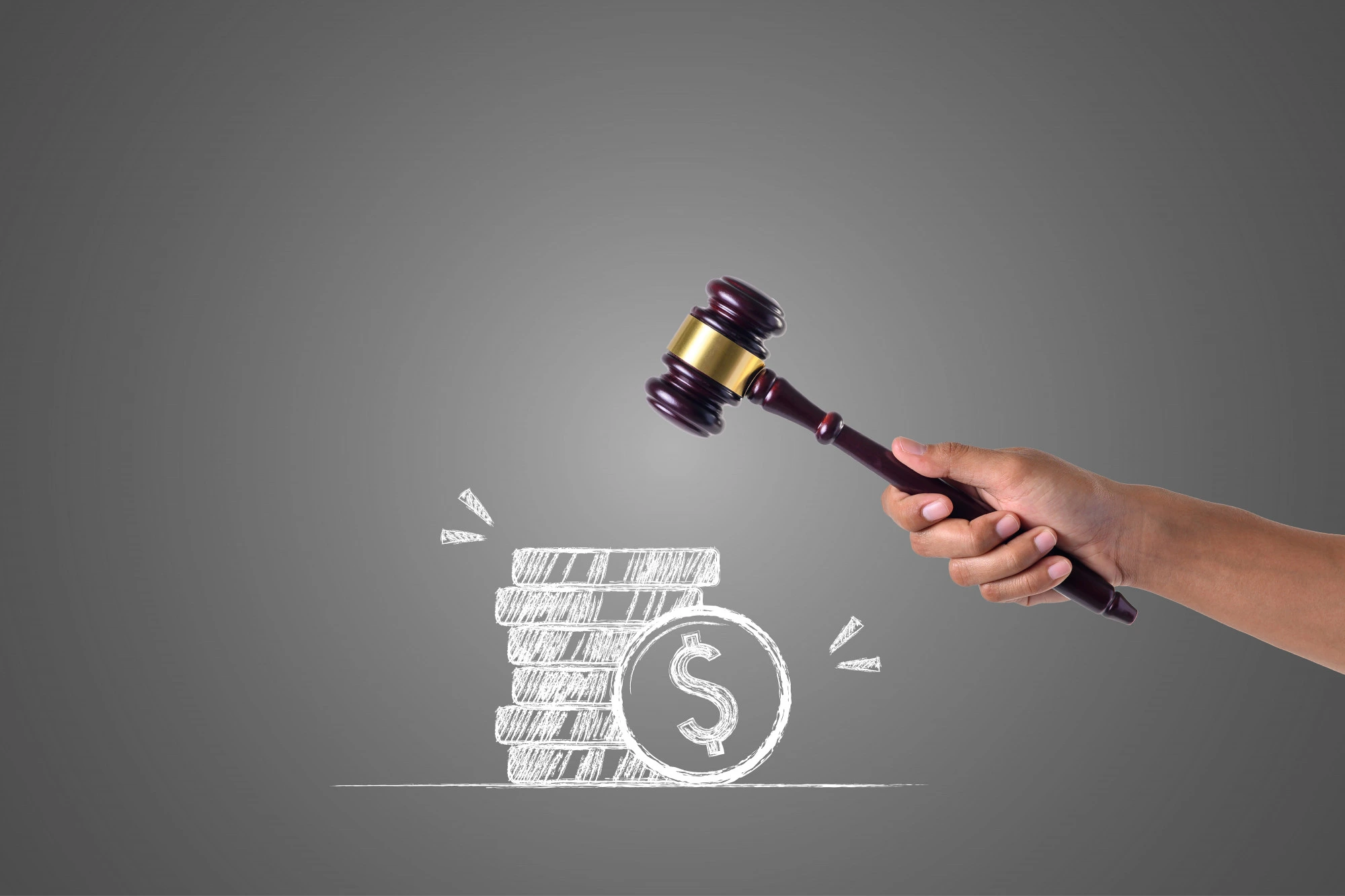
Sometimes, litigation is inevitable. When all digital efforts fail, attorneys initiate legal proceedings, secure judgments, and enforce them through liens, garnishments, or levies.

AI doesn’t disappear in this phase, it supports it. Detailed records from early-stage outreach can be used as evidence, timelines, and proof of good faith efforts.

This stage not only pursues payment, it upholds accountability. It sends a signal that digital systems are not a free pass to ignore obligations. When necessary, the courts provide resolution and closure.

From first contact to final judgment

Automation has transformed debt collection. AI agents enable faster, more empathetic outreach. But when persuasion fails, legal action ensures resolution.

Together, they form a loop where technology initiates and law enforces. The result is a more transparent, efficient and ethical collection journey from first contact to final judgment.

Rising compliance scrutiny and stagnant repayment rates are forcing a tighter link between AI systems and the courts.

How creditors use AI for early collections before escalating to legal action

Automation has transformed how creditors manage delinquent accounts. From predictive analytics to AI-powered agents, debt collection is now faster, more intelligent and more borrower-friendly.

Still, even the most advanced systems have limits. When accounts remain unpaid and compliance risks rise, the process shifts from automated engagement to legal enforcement.

This transition marks the critical point where technology hands off to human judgment. It’s where AI meets advocacy and where efficiency is balanced with due process.

How AI agents drive early-stage collections?

Modern debt collection begins long before a case reaches a law firm. AI agents like proAgent engage with borrowers in the early phases through intelligent, compliant and timely outreach across channels like text, email and voice.

They offer repayment options, answer questions and help borrowers, all without human intervention.

The result? Improved recovery rates and a better borrower experience. These agents operate with empathy and precision that reduces friction. Plus, it replaces the cold tone of traditional calls with personalized and data-driven communication.

AI agents also enhance transparency. proInsight by Prodigal provides real-time dashboards to monitor compliance and log every interaction. Lenders can quickly see what’s working, what’s not and whether communications align with consumer protection laws such as the Fair Debt Collection Practices Act (FDCPA).

How AI-driven analytics drive legal collections?

Today’s legal collection model doesn’t just abandon technology and hand-off the case at the courthouse door. Instead, it integrates it seamlessly.

AI agents can supply attorneys with deep consumer insights like engagement history, behavioral scoring and communication timelines. Legal teams can use this data to fine-tune their approach, prepare better strategies and streamline case preparation.

Based on these insights, legal teams can also guide next steps, whether to pursue garnishment, offer a final settlement, or escalate to asset seizure. Some firms even automate legal document generation and e-filing, reducing time and cost.

This hybrid model of AI agents for scale and attorneys for enforcement creates a more efficient and fair recovery ecosystem.

How legal action advances when digital outreach is exhausted?

Sometimes, litigation is inevitable. When all digital efforts fail, attorneys initiate legal proceedings, secure judgments, and enforce them through liens, garnishments, or levies.

AI doesn’t disappear in this phase, it supports it. Detailed records from early-stage outreach can be used as evidence, timelines, and proof of good faith efforts.

This stage not only pursues payment, it upholds accountability. It sends a signal that digital systems are not a free pass to ignore obligations. When necessary, the courts provide resolution and closure.

From first contact to final judgment

Automation has transformed debt collection. AI agents enable faster, more empathetic outreach. But when persuasion fails, legal action ensures resolution.

Together, they form a loop where technology initiates and law enforces. The result is a more transparent, efficient and ethical collection journey from first contact to final judgment.

AI to modernize your business

Ready to chat when you are.

The information you've always needed to accurately prioritize, segment, and target accounts so you can reduce costs and increase customer satisfaction, delivered for your business by Prodigal's custom AI.
We'll be in touch very soon.
Oops! Something went wrong while submitting the form.
60+
Customers
75
Team members
3
Continents

Join our team

Help introduce consumer finance intelligence to lending and collections teams everywhere.
Check out our open jobs
60+
Customers
75
Team members
3
Continents